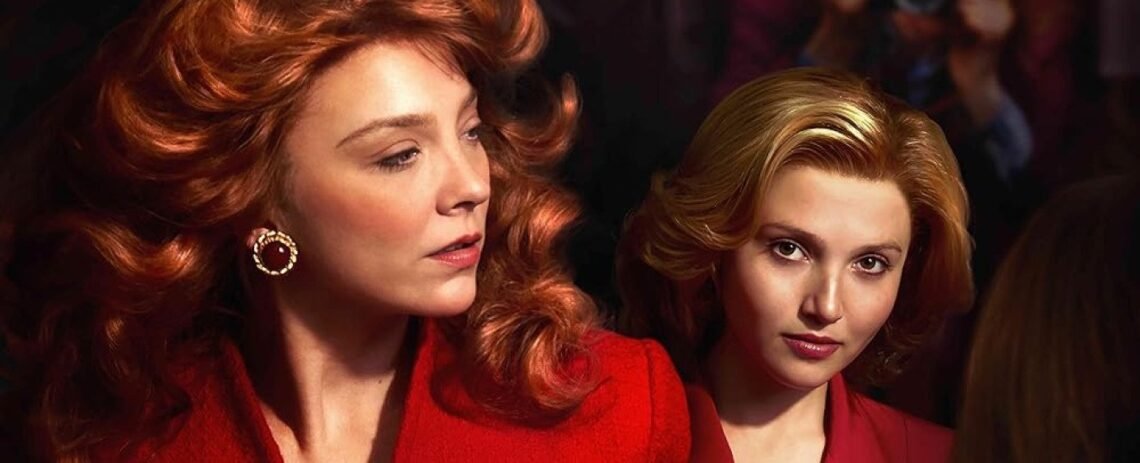
Introduction to Mia McKenna-Bruce:
Mia McKenna-Bruce was born on July 3, 1997, in London, England, and from a very young age, it was clear that she had a natural spark for performance. Growing up in a creative environment, Mia McKenna-Bruce was surrounded by encouragement and artistic inspiration. Her upbringing in London, a city known for its vibrant arts and theatre culture, undoubtedly played a role in shaping her ambitions. While many young children dream of being on screen, Mia McKenna-Bruce actively pursued the craft with discipline and focus.
As a child, Mia McKenna-Bruce showed an interest in acting, modeling, and performing arts. She was not simply drawn to the spotlight; she was drawn to storytelling. That difference is important. Many young performers are fascinated by fame, but Mia appeared more invested in the emotional and creative aspects of acting. She wanted to understand characters, motivations, and the subtle nuances that make performances memorable.
Her early training helped refine her natural abilities. Like many British actors, she benefited from structured acting education and hands-on experience. She learned not only how to perform but also how to handle auditions, rejections, and the pressures that come with entering the entertainment industry at a young age. This grounding became essential as her career began to grow.
Family support also played a critical role. Breaking into the industry as a young performer requires emotional resilience, and Mia’s early success suggests that she had a strong foundation behind her. Balancing education with acting commitments is never easy, but she managed to do so while steadily building her resume.
By the time she entered her teenage years, Mia was already developing a professional reputation. Casting directors recognized her maturity, adaptability, and ability to portray complex emotions far beyond her age. These early experiences laid the groundwork for a career that would steadily gain momentum.
Breakthrough Roles and Television Success
Mia McKenna-Bruce’s early television work introduced her to a broad audience and showcased her range as a young actress. One of her earliest recognisable appearances was in the popular CBBC series Tracy Beaker Returns, where she played Tee Taylor. This role was particularly significant because the Tracy Beaker franchise had already established a loyal fan base across the UK. Being part of such a well-loved universe gave Mia McKenna-Bruce immediate visibility.
Her portrayal of Tee Taylor was layered and relatable. Tee was a character navigating friendship, family challenges, and personal growth — themes that resonate strongly with young viewers. Mia handled the role with authenticity, which allowed audiences to connect deeply with her character. She didn’t overplay emotions; instead, she delivered grounded performances that felt real.
She later continued her role in the spin-off series The Dumping Ground. This continuation further solidified her place in British children’s television. Importantly, these roles were not one-dimensional. They required her to portray vulnerability, frustration, humor, and strength — sometimes all within the same episode.
Beyond children’s television, Mia McKenna-Bruce began branching into more mature roles. Her appearance in the BBC drama EastEnders allowed her to step into a different tone altogether. EastEnders, known for its dramatic intensity and realistic storylines, offered Mia an opportunity to demonstrate her versatility. Transitioning from children’s programming to a long-running adult soap is not always seamless, but she adapted with ease.
These early television experiences were essential stepping stones. They taught her how to work within ensemble casts, handle demanding shooting schedules, and develop long-term character arcs. Most importantly, they proved that she was more than a child star — she was an evolving actress capable of tackling increasingly complex material.
Expanding Horizons: Film Career and Artistic Growth
While television gave Mia McKenna-Bruce recognition, film allowed her to expand her artistic range. Moving into cinema often demands a subtler, more intimate style of acting. Film performances are captured in close detail, requiring actors to convey emotion with minimal exaggeration. Mia McKenna-Bruce transitioned into this space with impressive control and confidence.
One of the projects that drew attention to her evolving talent was her role in How to Have Sex. This film marked a significant shift toward more mature storytelling. The project tackled serious themes and required emotional depth. Mia McKenna-Bruce performance demonstrated not only growth but fearlessness. She embraced challenging material and delivered a performance that critics and audiences alike found compelling.
In film, she showcased a refined emotional intelligence. Her expressions, pauses, and body language communicated layers of meaning without the need for excessive dialogue. This is often the mark of a seasoned performer, and seeing it in a relatively young actress highlighted her dedication to the craft.
Her film work also indicated a careful selection process. Rather than choosing roles purely for visibility, Mia appeared to gravitate toward projects with meaningful narratives. This approach suggests long-term vision. Instead of chasing fleeting popularity, she seems focused on building a body of work that reflects artistic integrity.
Additionally, working in film exposed her to different directors, cinematographers, and production styles. Each project added to her experience and allowed her to experiment with new techniques. As a result, her performances have grown increasingly nuanced over time.
The transition from television to film is a milestone in many actors’ careers, and Mia handled it with poise. Rather than abandoning her roots, she expanded upon them, demonstrating adaptability and a commitment to growth.
Acting Style and On-Screen Presence
What sets Mia McKenna-Bruce apart from many of her peers is her subtlety. She doesn’t rely on dramatic gestures or exaggerated delivery to make an impact. Instead, she draws viewers in through authenticity. Her acting style feels lived-in, natural, and emotionally honest.
She has a remarkable ability to portray vulnerability without appearing fragile. This balance is difficult to achieve. Many actors either overplay vulnerability or underplay it to avoid seeming weak. Mia manages to convey emotional depth while maintaining strength within her characters.
Another defining quality of her performances is relatability. Whether portraying a teenager dealing with complicated friendships or a young woman navigating adulthood, she captures the awkwardness and uncertainty of real life. This relatability has likely contributed to her steady fan following.
Her on-screen presence is equally compelling. Even in ensemble scenes, she manages to command attention without overpowering others. This is often a sign of strong listening skills — an underrated but critical component of great acting. She reacts with intention, creating dynamic interactions that feel spontaneous rather than scripted.
Furthermore, Mia demonstrates impressive emotional range. She can move seamlessly from lighthearted moments to intense dramatic scenes. This versatility ensures that she is not boxed into a single type of role, allowing her career to remain flexible and expansive.
Industry Recognition and Critical Acclaim
As Mia McKenna-Bruce’s career has progressed, industry recognition has naturally followed. Critics have noted her ability to tackle challenging subject matter with maturity. Awards buzz surrounding her more recent film projects has signaled that she is no longer viewed merely as a former child star but as a serious actress.
Critical acclaim often reflects consistency, and Mia’s performances have shown steady improvement. Rather than plateauing after early success, she has continued refining her craft. Directors and casting professionals have recognized her reliability and professionalism, qualities that are invaluable in a competitive industry.
It is also worth noting that British actors often undergo a slower, more craft-focused rise compared to the rapid fame cycles seen elsewhere. Mia’s career trajectory reflects this tradition. She has built credibility step by step, earning respect through performance rather than publicity.
Recognition also brings greater opportunity. As her reputation grows, so does the variety of roles available to her. This expansion allows her to explore new genres, from intense drama to potential future ventures in comedy or even international projects.
While awards are not the sole measure of success, they often validate years of hard work. Mia’s growing presence at industry events and film festivals indicates that her contributions are being acknowledged at higher levels.
Personal Life and Public Image
Despite her increasing visibility, Mia McKenna-Bruce has maintained a relatively grounded public image. Unlike some young actors who become defined by tabloid headlines, she has managed to keep the focus primarily on her work. This professionalism enhances her credibility within the industry.
Her social media presence, when active, reflects a balanced blend of career updates and personal insights. She does not appear overly curated or Mia McKenna-Bruce; instead, she maintains authenticity. In today’s digital landscape, where image can sometimes overshadow talent, this authenticity is refreshing.
Maintaining privacy while working in entertainment is not easy. Mia seems to understand the importance of boundaries. By keeping certain aspects of her personal life out of the spotlight, she ensures that audiences remain invested in her performances rather than distracted by gossip.
Her interviews reveal thoughtful perspectives about acting and storytelling. She often speaks about character development and emotional truth rather than superficial aspects of fame. This focus reinforces the idea that she views acting as a craft, not merely a career.
A grounded public image can significantly impact longevity. Actors who remain professional and focused often find greater stability in the long run. Mia appears to be positioning herself for precisely that kind of sustainable success.
Conclusion:
Looking ahead, Mia McKenna-Bruce’s future appears exceptionally promising. She has already demonstrated the key ingredients for a lasting career: versatility, discipline, emotional intelligence, and careful project selection. These qualities often determine whether an actor enjoys short-term popularity or enduring relevance.
As she continues to mature, the range of roles available to her will expand. Complex adult characters, leading film roles, and potentially international collaborations may become part of her portfolio. Given her trajectory, it would not be surprising to see her take on roles that challenge societal norms or explore deeply layered narratives.
There is also the possibility of branching into other creative areas. Many actors eventually explore producing, directing, or writing. With her apparent interest in storytelling, Mia could naturally evolve into behind-the-scenes roles in the future.
Her career so far suggests patience and strategic decision-making. Rather than rushing into blockbuster fame, she has prioritized meaningful work. This approach often yields more fulfilling artistic outcomes and sustained respect within the industry.
Ultimately, Mia McKenna-Bruce represents a new generation of British talent — one that values authenticity, craft, and thoughtful storytelling. If her past work is any indication, audiences can expect performances that continue to surprise, move, and inspire.
Mia McKenna-Bruce’s journey from a young television performer to a critically recognized film actress reflects dedication, growth, and resilience. She embodies the evolution of a child star into a serious artist, navigating each phase of her career with professionalism and grace. As her body of work expands, so too does her impact on British cinema and television. The best chapters of her story may very well still be ahead.