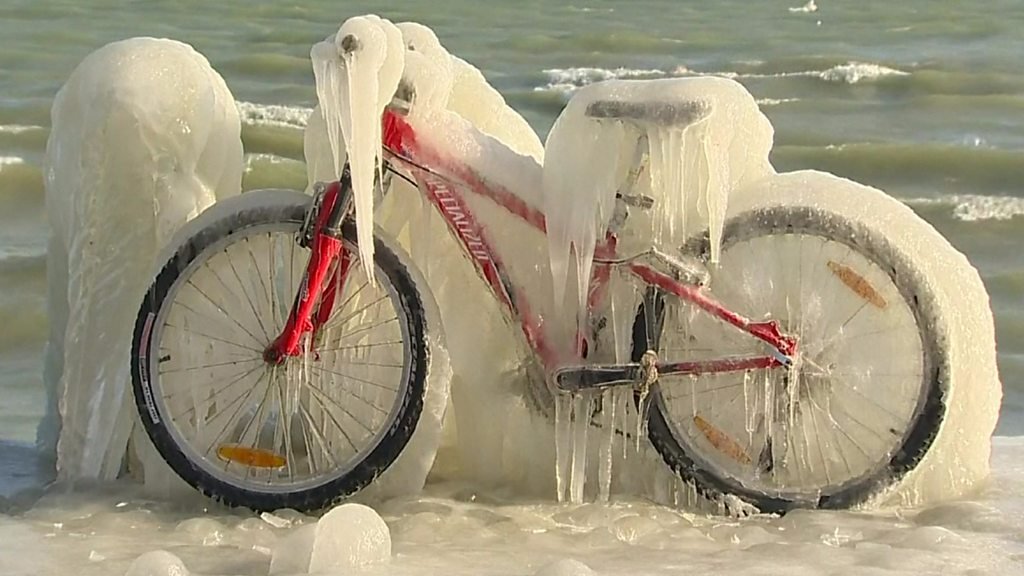
Introduction to Beast from the East:
The phrase “Beast from the East” might sound like the title of a disaster movie, but in reality, it refers to a series of extreme winter weather events that hit Europe, particularly the United Kingdom and Ireland, with remarkable intensity. The term became widely used during late February and early March of 2018, when an extraordinary cold spell swept across the continent, delivering heavy snowfall, freezing temperatures, and widespread disruption. While Europe is no stranger to winter, this event stood out for its severity and timing.
The core of the phenomenon was a blast of frigid air originating from Siberia. This cold air mass traveled westward across Europe, bringing with it temperatures far below seasonal averages. In some regions of the UK, temperatures plummeted to below -10°C (14°F), and with wind chill factored in, it felt even colder. What made this particularly dramatic was the combination of biting winds and significant snowfall, creating blizzard-like conditions in places that rarely experience such extremes.
The Beast from the East wasn’t just a single storm. Instead, it was the result of a complex interaction between atmospheric patterns, including a Sudden Stratospheric Warming (SSW) event and a blocked jet stream. These conditions allowed cold Arctic air to dominate for days, rather than being quickly pushed away by milder Atlantic systems. The persistence of the cold was what made the event especially memorable.
Beyond the UK, several parts of mainland Europe were also affected. Countries like Ireland, France, Germany, and even Italy experienced snowfall and freezing temperatures that disrupted daily life. Airports closed, roads became impassable, and train services were suspended. For many, the Beast from the East was a stark reminder of nature’s power and the delicate balance of our climate systems.
The Science Behind the Cold: How It Happened
To understand the Beast from the East, it helps to take a closer look at the science driving it. At the heart of the event was a phenomenon known as Sudden Stratospheric Warming (SSW). This occurs when temperatures in the stratosphere, roughly 10 to 50 kilometers above the Earth’s surface, rapidly increase. Although that may sound like warming, paradoxically, it can trigger colder conditions at ground level.
An SSW can disrupt the polar vortex—a band of strong winds that normally keeps frigid Arctic air contained near the North Pole. When the polar vortex weakens or splits, cold air can spill southward into Europe or North America. In early 2018, a particularly strong SSW event destabilized the polar vortex, setting the stage for the Beast from the East.
Another crucial factor was the blocking high-pressure system over Scandinavia. This high-pressure area effectively “blocked” the usual west-to-east flow of milder Atlantic air. Instead, it redirected winds from the east, pulling in air masses from Siberia. This eastward airflow is relatively rare in the UK and Western Europe, which typically experience maritime climates moderated by the Atlantic Ocean.
The combination of these atmospheric factors created the perfect conditions for sustained cold. When moist air from the Atlantic met the freezing air already in place, it led to significant snowfall. The event demonstrated how interconnected global weather systems are and how disruptions high above the Earth’s surface can have profound effects at ground level.
Impact on the United Kingdom and Ireland
The Beast from the East had a dramatic impact on the United Kingdom and Ireland. Schools across the UK closed for several days as heavy snowfall made travel dangerous. In some areas, snowdrifts reached several feet high, trapping vehicles and isolating communities. The event coincided with a secondary storm, often referred to as “Storm Emma,” which intensified snowfall and wind speeds.
Major cities like London, Manchester, and Birmingham experienced rare scenes of thick snow blanketing streets and parks. Public transportation systems struggled to cope. Train lines were suspended, flights were canceled, and bus services were reduced or halted entirely. For a country not accustomed to extreme winter weather, the disruption was widespread and significant.
Ireland was hit particularly hard when the cold air met moisture from the Atlantic, resulting in blizzard conditions. The Irish government issued a rare nationwide red weather warning, urging citizens to stay indoors. Supermarkets were stripped of essentials as people prepared for several days of isolation. The storm tested infrastructure and emergency services, but it also revealed the resilience of local communities.
Economically, the Beast from the East had a measurable impact. Businesses closed, construction projects were delayed, and supply chains were disrupted. The cost of the event ran into hundreds of millions of pounds. Yet, for many people, it also brought moments of unexpected joy—snowball fights, sledding in city parks, and a temporary pause in the rush of everyday life.
Effects Across Mainland Europe
While the UK received much of the media attention, mainland Europe was equally affected. In Germany and Poland, temperatures dropped sharply, and heavy snow blanketed towns and countryside. France experienced freezing conditions that disrupted transport networks, particularly in the northern regions. Even parts of Italy saw snow in areas that rarely experience it.
In Eastern Europe, where winters are typically colder, the Beast from the East intensified already chilly conditions. In some areas, temperatures dropped to -20°C (-4°F) or lower. The cold proved deadly in certain regions, with reports of fatalities linked to exposure. Authorities opened emergency shelters and urged people to check on vulnerable neighbors.
Southern Europe also felt the impact in unusual ways. Snow fell in Rome, creating picturesque scenes around historic landmarks. Schools closed in cities unaccustomed to winter storms, and transportation systems struggled to adapt. The novelty of snow in Mediterranean climates highlighted the unusual nature of the event.
The widespread reach of the Beast from the East underscored how interconnected European weather systems are. From Scandinavia to the Mediterranean, the cold spell disrupted daily life and prompted discussions about preparedness, infrastructure resilience, and climate variability.
Climate Change and Extreme Weather: Is There a Link?
One of the most debated aspects of the Beast from the East was its relationship to climate change. At first glance, a severe cold spell might seem contradictory to global warming. However, climate scientists emphasize that climate change can increase the frequency and intensity of extreme weather events, including cold outbreaks.
Some researchers suggest that warming in the Arctic may weaken the jet stream, making it more prone to large swings and blocking patterns. These disruptions can allow cold Arctic air to move southward more easily. While it is difficult to attribute any single event directly to climate change, studies indicate that shifting atmospheric patterns may influence the likelihood of such extremes.
The Beast from the East served as a reminder that global warming does not eliminate winter. Instead, it can create more unpredictable weather patterns. Warmer oceans can increase atmospheric moisture, potentially leading to heavier snowfall when temperatures drop. This paradox highlights the complexity of climate systems.
Ultimately, the event sparked renewed interest in understanding atmospheric dynamics and improving long-range weather forecasting. It also encouraged policymakers to consider how infrastructure and emergency planning must adapt to a changing climate.
Lessons Learned and Future Preparedness
The Beast from the East left behind more than just memories of snow-covered streets. It prompted governments, businesses, and individuals to reconsider their preparedness for extreme weather. In the UK, questions were raised about the resilience of transport networks and the adequacy of road gritting supplies.
Emergency services demonstrated remarkable dedication, rescuing stranded motorists and supporting vulnerable populations. However, the event revealed areas where communication and coordination could be improved. Investing in better forecasting technology and public awareness campaigns became a priority in its aftermath.
Communities also played a vital role. Neighbors helped one another with groceries, checked in on the elderly, and shared resources. Social media became a powerful tool for disseminating updates and advice. The sense of solidarity during the storm was a silver lining in an otherwise challenging period.
Looking ahead, meteorologists continue to study the conditions that led to the Beast from the East. While such events remain relatively rare, the increasing variability of weather patterns means they cannot be ruled out. By learning from past experiences, societies can better prepare for future extremes.
Conclusion:
The Beast from the East stands as one of the most memorable winter weather events in recent European history. Its combination of scientific intrigue, widespread disruption, and dramatic imagery captured public attention and sparked important conversations about climate and resilience.
From the intricate atmospheric dynamics that set it in motion to the human stories that unfolded on snow-covered streets, the event highlighted both the power of nature and the strength of communities. It reminded us that even in a warming world, winter can still pack a formidable punch.
In the end, the Beast from the East was more than just a cold spell. It was a lesson in preparedness, a case study in atmospheric science, and a shared experience that united millions under a blanket of snow.

