Introduction to Misheard Lyrics
Misheard lyrics are one of those universal experiences that connect music lovers across generations. You might be singing along confidently, only to find out later that you’ve been getting the words completely wrong for years. It’s funny, sometimes embarrassing, and surprisingly common. Whether it’s a classic rock anthem or a modern pop hit, misheard lyrics have become part of music culture itself.
In this article, we’ll explore what misheard lyrics really are, why they happen, some of the most famous examples, and how they’ve influenced the way we listen to music today. If you’ve ever confidently belted out the wrong words, you’re definitely not alone.
What Are Misheard Lyrics?
Misheard lyrics, often referred to as “mondegreens,” are phrases in songs that listeners incorrectly interpret. Instead of hearing the actual lyrics, your brain fills in something that sounds similar—but means something entirely different.
This phenomenon happens more often than people realize. Music combines melody, rhythm, and pronunciation in ways that can blur words together. When a singer stretches syllables or uses a unique accent, it becomes even easier to misinterpret what’s being said.
Interestingly, misheard lyrics aren’t always random. Your brain tries to make sense of unfamiliar sounds by turning them into recognizable words. This means the incorrect version often feels just as real as the original. In fact, sometimes the misheard version becomes more memorable than the correct one.
Another key point is that misheard lyrics aren’t limited to any specific genre. They appear in pop, rock, hip-hop, country, and even classical crossover music. No matter what you listen to, chances are you’ve experienced this at least once.
Why Do We Mishear Song Lyrics?
There are several reasons why misheard lyrics happen, and most of them come down to how our brains process sound. Music is not just about words—it’s also about rhythm, pitch, and emotion. These elements can interfere with how clearly we hear lyrics.
One major factor is pronunciation. Many singers, like Elton John or Kurt Cobain, have unique vocal styles that can blur words together. When artists prioritize emotion over clarity, listeners may struggle to catch every word.
Another reason is production. Modern music often includes layered instruments, background vocals, and effects. These elements can overshadow the main vocal line, making it harder to distinguish the lyrics clearly. In genres like rock or electronic music, this is especially common.
Your brain also plays a big role. When you hear something unclear, your mind automatically tries to “fix” it by substituting familiar words. This process is called auditory perception. Essentially, your brain chooses what it thinks makes the most sense, even if it’s wrong.
Finally, language and accent differences can contribute to misheard lyrics. If a singer uses slang, regional dialects, or sings in a non-native language, listeners may interpret the words differently. This is why international hits often generate a wide range of funny misinterpretations.
Famous Examples of Misheard Lyrics
Some misheard lyrics have become so iconic that they’re almost as famous as the original songs. These examples highlight just how creative—and hilarious—our brains can be.
Take “Tiny Dancer” by Elton John. Many listeners famously mishear the line “Hold me closer, tiny dancer” as “Hold me closer, Tony Danza,” referencing the actor Tony Danza. The similarity in sound makes the mistake easy to understand.
Another classic comes from “Smells Like Teen Spirit” by Nirvana. Kurt Cobain’s intentionally mumbled delivery led many fans to mishear entire verses. Even Cobain himself admitted that he didn’t always prioritize clear pronunciation.
Then there’s “Bohemian Rhapsody” by Queen. While the song is legendary, its complex lyrics and operatic style make it a breeding ground for misinterpretations. Listeners often struggle with lines like “Scaramouche, Scaramouche,” turning them into something completely different.
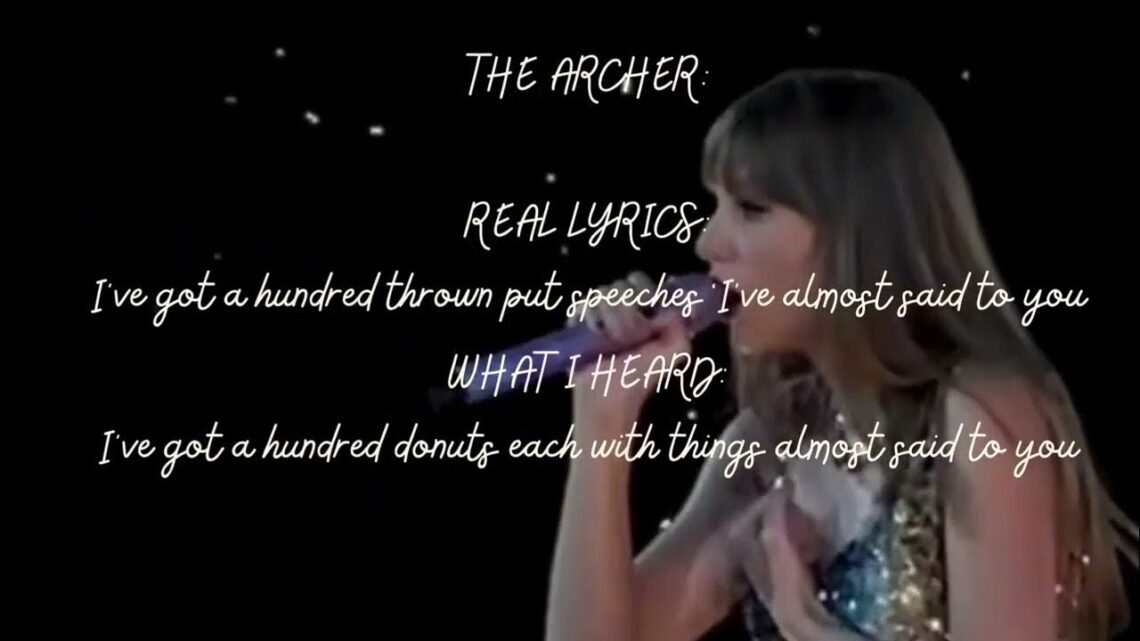
Pop music has its fair share too. In “Blank Space” by Taylor Swift, some fans misheard “Got a long list of ex-lovers” as “Got a lonely Starbucks lovers.” The phrase quickly went viral and became a meme.
These examples show that even the biggest artists aren’t immune to misheard lyrics. In fact, the more popular the song, the more likely it is that listeners will come up with their own interpretations.
The Psychology Behind Misheard Lyrics
Misheard lyrics are more than just funny mistakes—they reveal how our brains work. When we listen to music, we’re not just hearing sounds; we’re actively interpreting them.
The brain relies on patterns and familiarity. When it encounters something unclear, it fills in the gaps using words it already knows. This process is similar to how we read messy handwriting or understand someone speaking in a noisy room.
Cognitive bias also plays a role. If you expect a song to contain certain themes or words, your brain is more likely to “hear” those words—even if they’re not actually there. This is why people often mishear lyrics in ways that match the song’s overall mood.
Another interesting factor is repetition. Once you’ve misheard a lyric a certain way, it can be hard to un-hear it. Your brain becomes accustomed to the incorrect version, and it starts to feel just as valid as the original.
Emotion can also influence perception. If a song makes you feel a certain way, your brain may interpret the lyrics in a way that enhances that emotion. This can lead to creative—and sometimes hilarious—misinterpretations.
How Misheard Lyrics Became Part of Pop Culture
Over time, misheard lyrics have evolved from simple mistakes into a cultural phenomenon. Thanks to the internet, these moments are now shared, celebrated, and even turned into memes.
Social media platforms and forums have made it easy for people to share their funniest misheard lyrics. What used to be a private misunderstanding can now go viral within hours. This has helped normalize the experience and made it more entertaining.
Television shows and movies have also embraced the concept. Comedy sketches often revolve around characters singing the wrong lyrics, highlighting just how common the phenomenon is. It’s a relatable joke that almost everyone understands.
Even artists themselves have started to acknowledge misheard lyrics. Some musicians find them amusing and even incorporate them into live performances. This interaction between artist and audience adds a new layer of connection.
In some cases, misheard lyrics have become so popular that they overshadow the original line. This shows how powerful collective interpretation can be, especially in the age of digital communication.
Can Misheard Lyrics Change the Meaning of a Song?
Absolutely. Misheard lyrics can completely alter how a listener interprets a song. A single misunderstood phrase can shift the tone, message, or emotional impact.
For example, a romantic lyric might be misheard as something humorous, changing the entire mood of the song. This can make the track feel less serious and more playful, even if that wasn’t the artist’s intention.
In other cases, misheard lyrics can add depth or create new meanings. Some listeners form personal connections based on what they think they hear, rather than what’s actually being said. This makes the experience more subjective and unique.
Interestingly, this doesn’t necessarily diminish the song’s value. In fact, it can enhance it. Music is an art form, and interpretation plays a big role in how we experience it. Misheard lyrics simply add another layer to that interpretation.
Artists may not always intend for their lyrics to be misunderstood, but once a song is released, it belongs to the audience. Listeners are free to interpret it in their own way—even if that interpretation is technically incorrect.
How to Avoid Mishearing Lyrics
While misheard lyrics are fun, there are ways to improve your listening accuracy if you want to catch the correct words.
One of the easiest methods is to look up official lyrics. Many streaming platforms now provide synced lyrics, allowing you to follow along as the song plays. This can help you match the words with the melody more accurately.
Listening with headphones can also make a big difference. It reduces background noise and allows you to focus on the vocal track. This is especially helpful for songs with complex production.
Another tip is to listen to acoustic or live versions of songs. These versions often have fewer instruments, making the vocals clearer. You might be surprised at how different the lyrics sound when stripped down.
Finally, don’t be afraid to replay certain sections. Sometimes, hearing a line multiple times can help you understand it better. Your brain needs time to process unfamiliar sounds, especially in fast-paced songs.
Why We Secretly Love Misheard Lyrics
Despite the confusion they cause, misheard lyrics are something people genuinely enjoy. They add humor, creativity, and a sense of shared experience to music.
Laughing at a misheard lyric can make a song more memorable. It creates a personal connection that goes beyond the original meaning. You’re not just listening—you’re interacting with the music in your own way.
They also bring people together. Sharing funny misinterpretations with friends or online communities creates a sense of connection. It’s a reminder that everyone experiences music differently.
In some cases, people intentionally stick with the misheard version because they like it better. It becomes their “official” version of the song, even if it’s technically wrong.
Ultimately, misheard lyrics highlight the playful side of music. They remind us that not everything has to be perfect or precise. Sometimes, the mistakes are what make the experience truly enjoyable.
Conclusion:
Misheard lyrics are a fascinating blend of psychology, linguistics, and entertainment. They show how our brains interpret sound, how culture shapes our experiences, and how music connects us in unexpected ways.
From classic songs by Queen to modern hits by Taylor Swift, no artist is immune to being misunderstood. And honestly, that’s part of the charm.
So the next time you realize you’ve been singing the wrong words, don’t worry about it. You’re part of a long tradition of listeners who have turned simple mistakes into something memorable, funny, and uniquely human.